

Tag: PBS
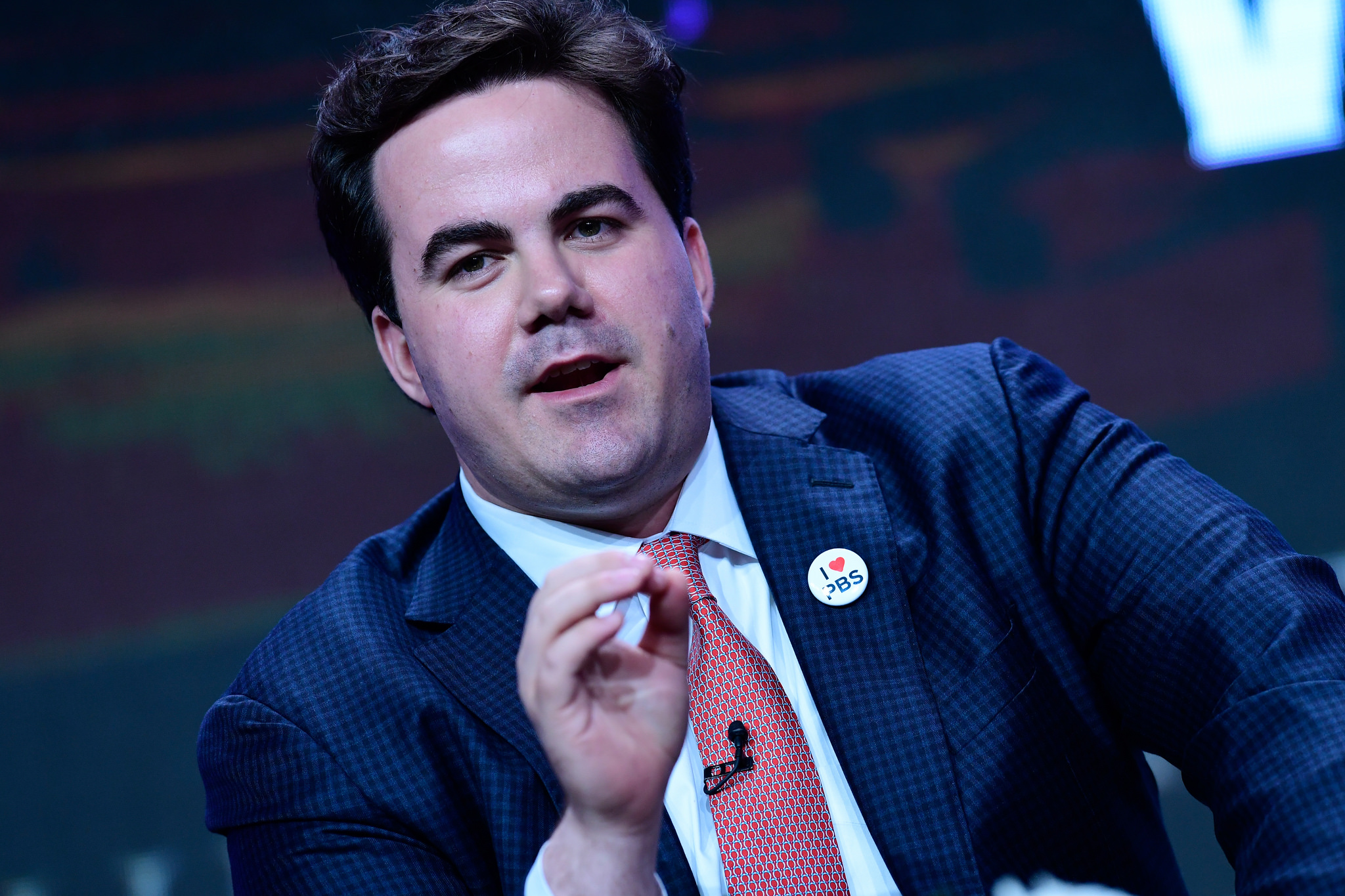
New ‘Washington Week’ host aims to favor balance over frivolity
Robert Costa told TV writers that he wants to focus on “fact-based analysis” in his role as moderator.PBS’s Kerger warns of station shutdowns if CPB goes dark
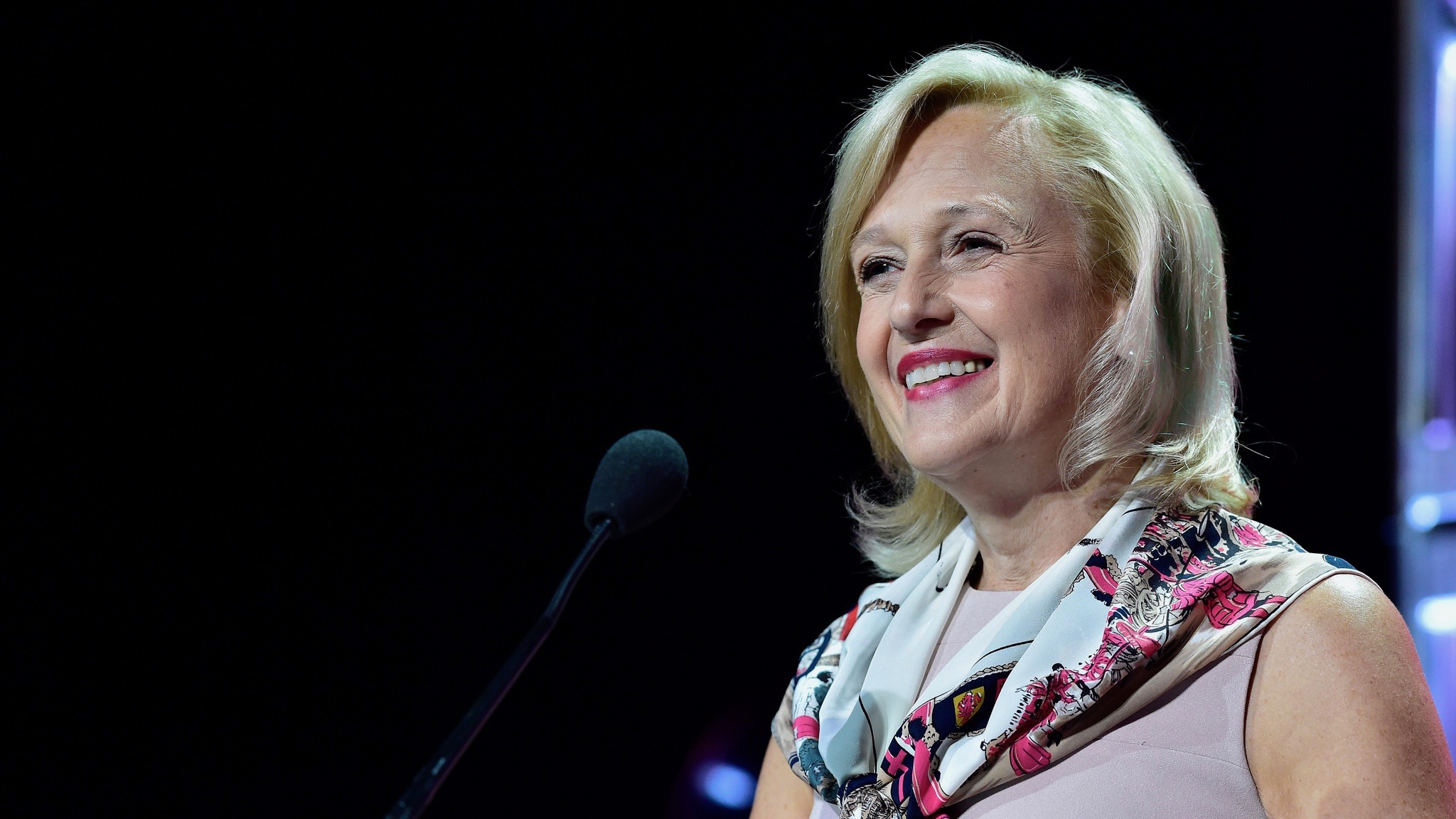
"There is no plan B" to replace federal funding, Paula Kerger told TV critics during her executive session at the Summer Press ...Luna arrives, Ruffman returns and more from the PBS Press Tour
Also, "The Great American Read" will let viewers vote on the nation's favorite book.Where do public broadcasting stations abound?
A reader wants to know how many cities have duplicate NPR and PBS stations.Watch our screening and panel discussion of Marlon Riggs’ ‘Tongues Untied’
The latest installment in our "Get With the Program" series focuses on a groundbreaking 1991 film.LBJ Library honors public broadcasting’s history with new exhibit
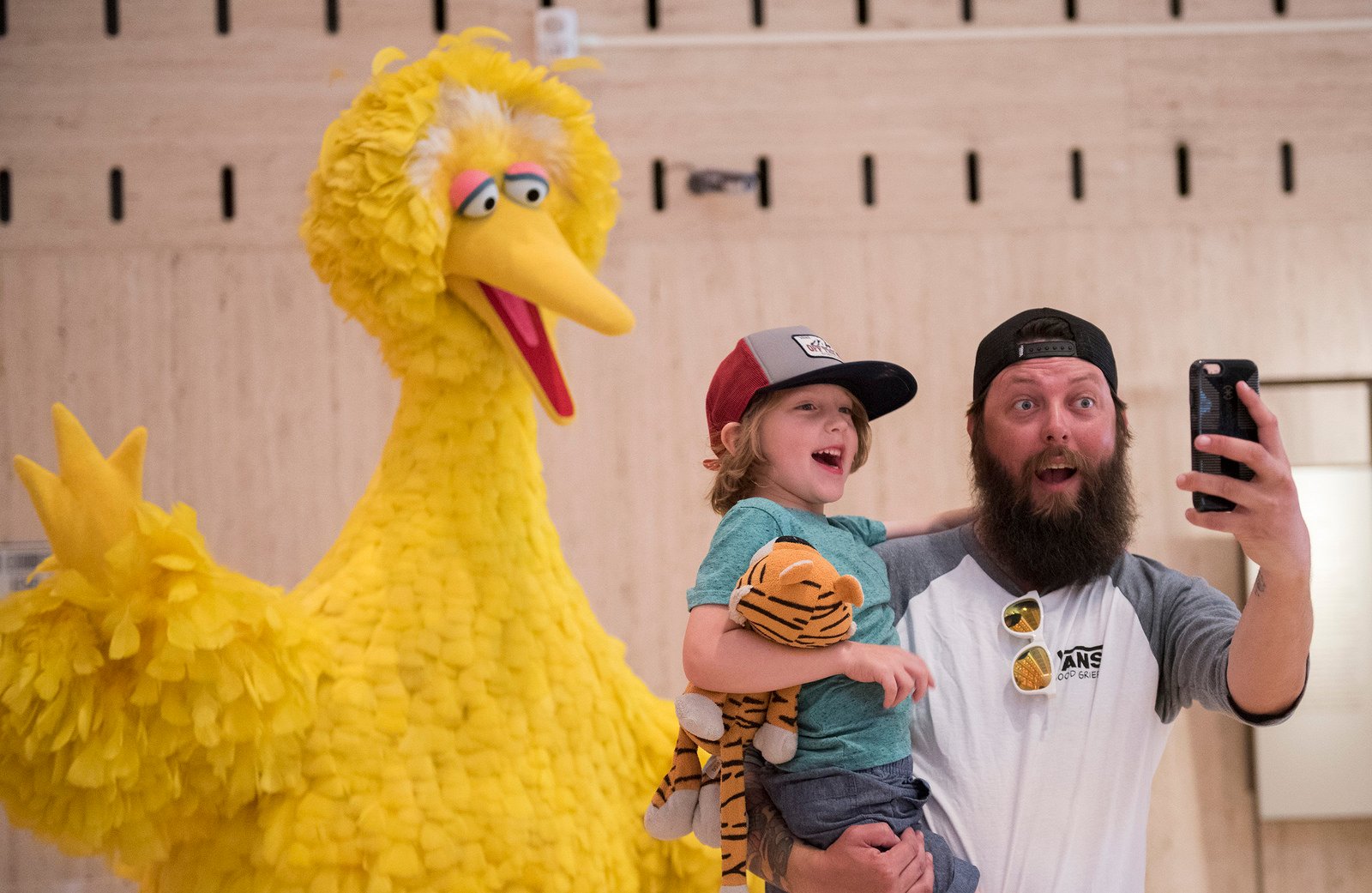
The “On the Air” exhibit’s opening day event drew families eager to meet Elmo and Big Bird.T-Mobile will foot bill for repacking public TV translators
The agreement covers equipment, engineering, installation and legal fees.‘POV’ to air Bill Nye documentary after theatrical release from PBS
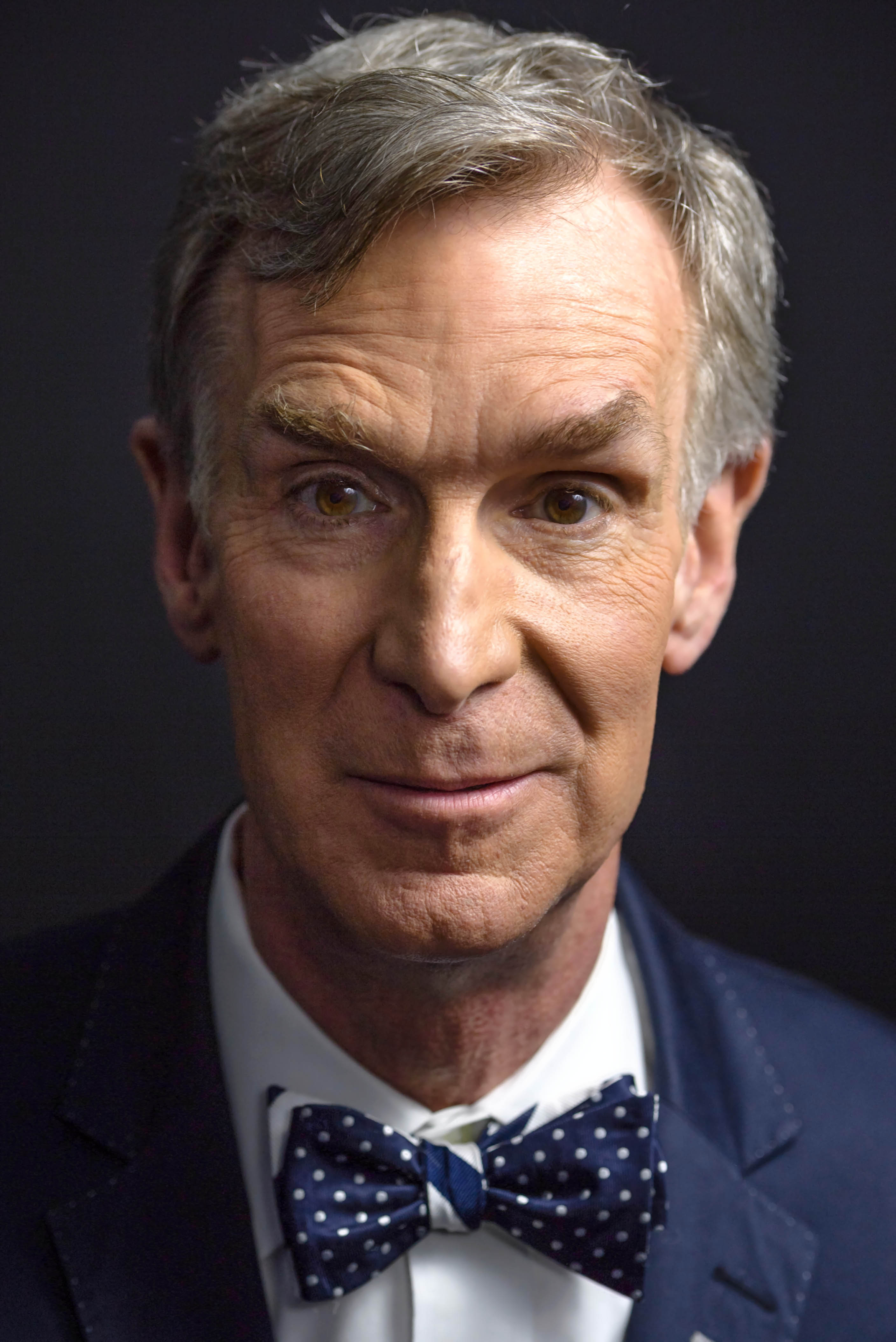
Filmmakers David Alvarado and Jason Sussberg said they “grew up as middle schoolers watching Bill Nye on PBS."Another academic lashes out at ‘School Inc.’ documentary
Diane Ravitch, a former assistant secretary of education, calls the documentary “paid propaganda.”Survey finds favorable view of PBS among LGBT consumers
PBS is among the top 10 in brand perception among LGBT consumers, according to YouGov.PBS Annual Meeting honors longtime leaders and creative fundraising approaches, and more awards in public ...
Early childhood educator Bill Isler received the PBS “Be More” Award for helping to bring characters like Daniel Tiger to life.PBS President Paula Kerger: ‘Let us build on the wonderful legacy to which we were ...
Delivering the keynote speech at the PBS Annual Meeting Tuesday, Kerger said public broadcasting is at “an inflection moment.”PBS honors station leaders, PRNDI names Editor of the Year, and more awards in public ...
Allen Weatherly, former executive director of Arkansas Educational Television Network, was honored posthumously with the Daniel K. Miller PBS Station Leadership Award.‘Downton’ trio join up for first ‘Masterpiece’ feature film
The film will air on PBS stations after a limited theatrical release.New ‘Pinkalicious’ PBS Kids series focuses on creativity, self-expression
The program for kids ages 3 to 5 is being produced by WGBH in Boston.







Current is an editorially independent, nonprofit service of the American University School of Communication. We're funded by your subscriptions, your donations, advertising, and a generous grant from the Wyncote Foundation.