

Tag: Documentaries
Report highlights risks to documentary films after rescission of pubmedia funding
The loss of federal funds for public media "is hugely challenging for these documentary storytellers to be able to do that work ...PBS, ITVS partner on YouTube channel for long-form documentaries
PBS Documentaries, a rebranding of the PBS Voices channel, serves as a hub for independent films.New documentary feature will examine life and work of Bill Moyers
Produced and directed by longtime collaborators, the film is scheduled to be completed next fall.New documentary examines life of ‘Sesame Street’ trailblazer Sonia Manzano
Street Smart: Lessons From a TV Icon highlights the legacy of the public TV star.New documentary invites fans to come and re-meet ‘The Letter People’
For Gen Xers, memories of the '70s-era kids' show spark "an almost ridiculous level of excitement,” says filmmaker Jason Collum.Why WNET backed away from groundbreaking coverage of the Chile coup
After years buried in archives, the resurfacing of "Chile: A Special Report" offers a new look at tensions behind the 1973 film.WVIA launches Kickstarter for documentary on mysterious tunnels under Pa. mining town
Building on the success of a previous short video, the proposed film will explore urban legends about the tunnels under Hazleton.ITVS study explores the complex relationships at the heart of documentaries
The ITVS team was most surprised to learn that 89% of documentary participants indicated that they would participate in a documentary again ...‘Shaking It Up’ profiles Texan who broke ground for women in journalism and politics
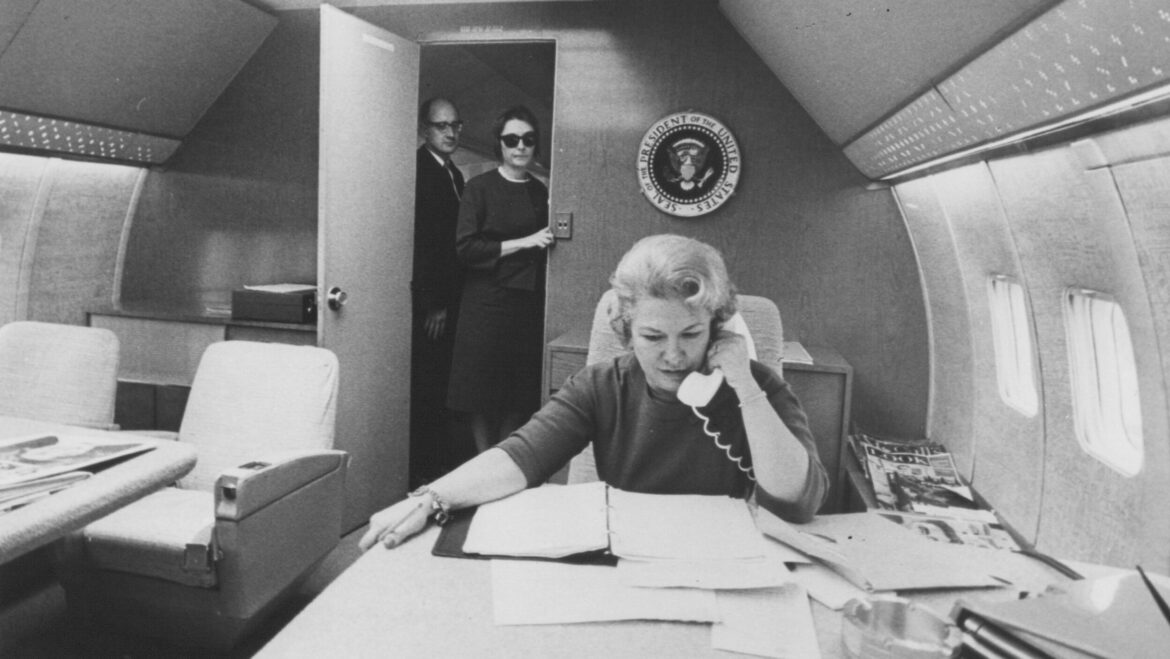
Liz Carpenter, a reporter, political aide and feminist, talked back to Lyndon B. Johnson and used humor to win people over.How Kartemquin Films and public broadcasting built a legacy of democratic storytelling
Since Kartemquin's founding in 1966, public broadcasting came to be the production company's most dependable ally, and sometimes its savior.Marcia Smith, president of Firelight Media, plans to step down
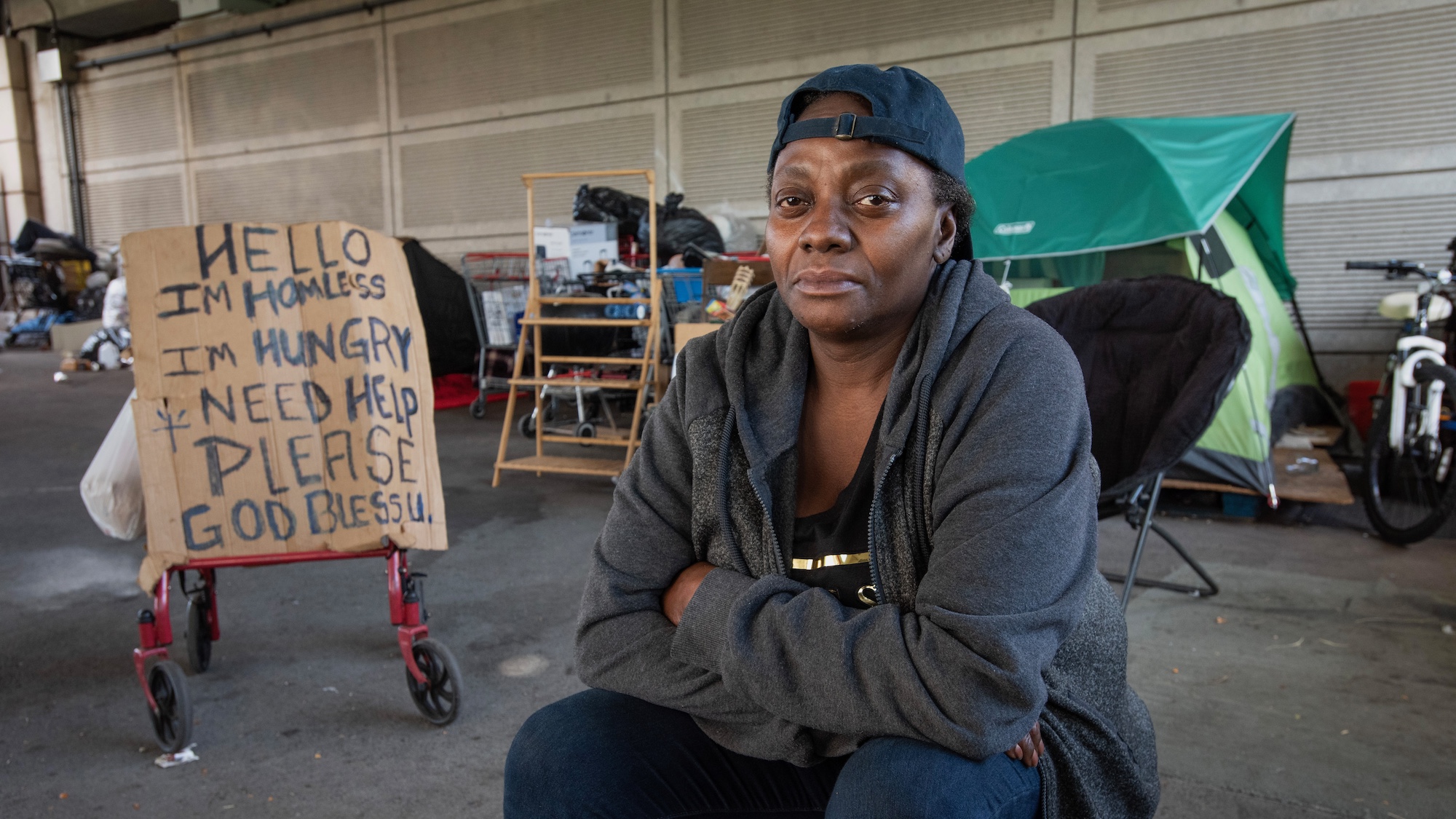
Smith co-founded Firelight Media with filmmaker Stanley Nelson.WTTW brings first-person perspectives to yearlong coverage of homelessness
The multimedia platform initiative Firsthand responds to a “critical moment” in efforts to address housing insecurity in Chicago.Film recounts first movement to advocate for full civil rights for Black Americans
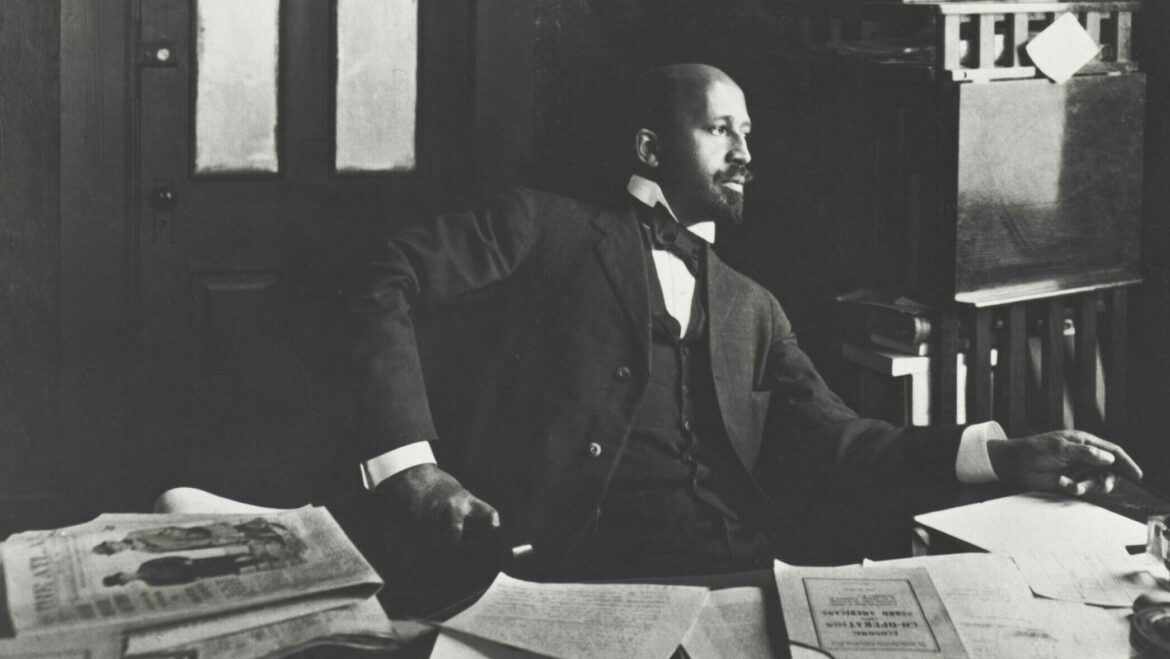
APT will distribute “The Niagara Movement,” a one-hour documentary from Lawrence Hott and WNED, for national broadcast.Documentary on buffalo soldiers leads slate of PBS-backed projects by emerging filmmakers
Seattle-based filmmaker Dru Holley produced and directed an hourlong film on the complex history of all-Black Army regiments who came to be ...Storytelling series unites Southern stations with regional collaboration
"The best stories are universal. It doesn't matter where they're set," said Arkansas PBS CEO Courtney Pledger.









Current is an editorially independent, nonprofit service of the American University School of Communication. We're funded by your subscriptions, your donations, advertising, and a generous grant from the Wyncote Foundation.