

Tag: CPB
‘Code Switch’ gets boost from CPB grant
The two-year grant is part of a more ambitious plan to raise the profile of the NPR podcast on race and identity.Biden administration requests $565M for CPB in FY2025, supports proposed change to interconnection funding
The administration endorsed a CPB proposal that could free up system support funds for other uses.CPB grant supports increased security for NPR staff in Ukraine
NPR began rotating hosts and other staffers from its newsmagazines and international desk through Ukraine in January.Senate confirms three appointments to CPB board
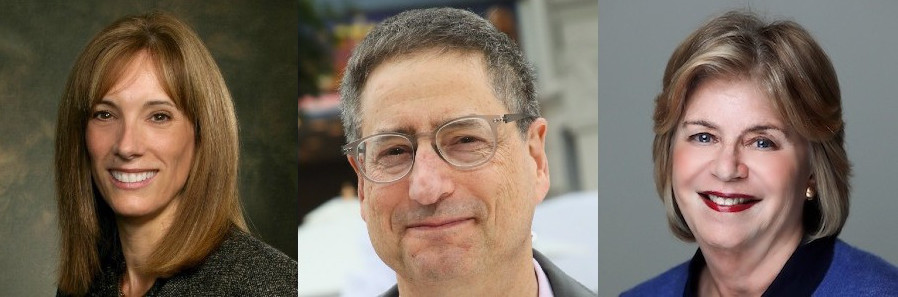
The confirmed members are Elizabeth Sembler, Tom Rothman and Laura Gore Ross.New funding expands reach of public radio’s hip-hop/R&B format
Stations in Minneapolis, Milwaukee and Jackson, Miss., will join the CPB-supported Urban Alternative format with the goal of reaching new listeners.Stations step up education efforts around COVID vaccine with help from CPB grants
Funds are enabling stations in current and potential COVID-19 hotspots to design projects that address their communities' specific needs.CPB gives $275,000 to 14 stations for COVID PSAs, community outreach
Each station will receive up to $20,000.PBS announces initiatives to increase programming diversity
During the Television Critics Association Summer Press Tour, PBS announced funding for Firelight Media, updates to its producer requirements and a new ...President Biden nominates three directors for CPB board
If confirmed, the nominees would fill three of four vacant board of director seats.House Appropriations Committee recommends $565M for CPB
The measure approved for consideration by the full House proposes an increase of nearly 27% from CPB’s current funding levels and recommends ...CPB board boosts CSG funds by delaying Healthy Network Initiative for second year
Board member Ruby Calvert said setting aside the initiative for another year is “the right thing to do.”CPB analysis finds steep declines in station underwriting, foundation funding
While income from individual giving grew 5% last fiscal year, stations were hit by losses in all other revenue categories.President Biden’s proposed budget includes $475M for CPB
APTS President Pat Butler called the proposal “a good first step.”The missing middle: Reimagining a future for tweens, teens and public media
Researchers from the Joan Ganz Cooney Center report on how public media can create media that's relevant to the lives of the ...CPB has ‘no immediate plans’ to recruit new ombudsman
CPB has had an ombudsman — and sometimes two — since 2005.






Current is an editorially independent, nonprofit service of the American University School of Communication. We're funded by your subscriptions, your donations, advertising, and a generous grant from the Wyncote Foundation.